Materials

Made of real things.

We begin every project with material. Surfaces, timber, metal and glass decide the feeling of a room long before the layout does.

Surfaces we use

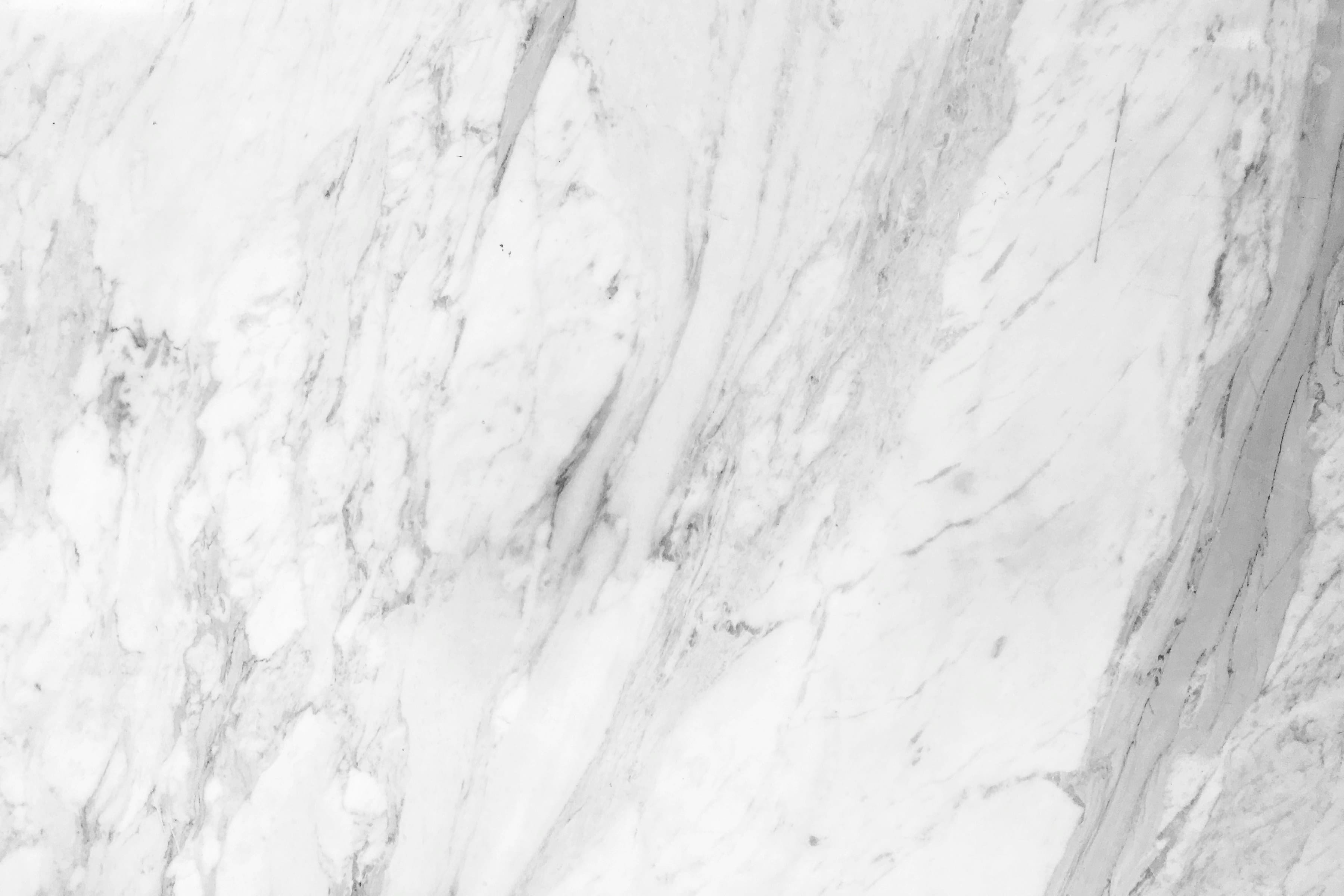
Close-up of a white surface in a marble look, with diagonal grey veining

Carrara look porcelain

Porcelain

Soft grey veining on a white ground, in a sintered porcelain slab. A matt finish that stays calm under the hand.
  • Oak
  • Brass
  • Warm plaster
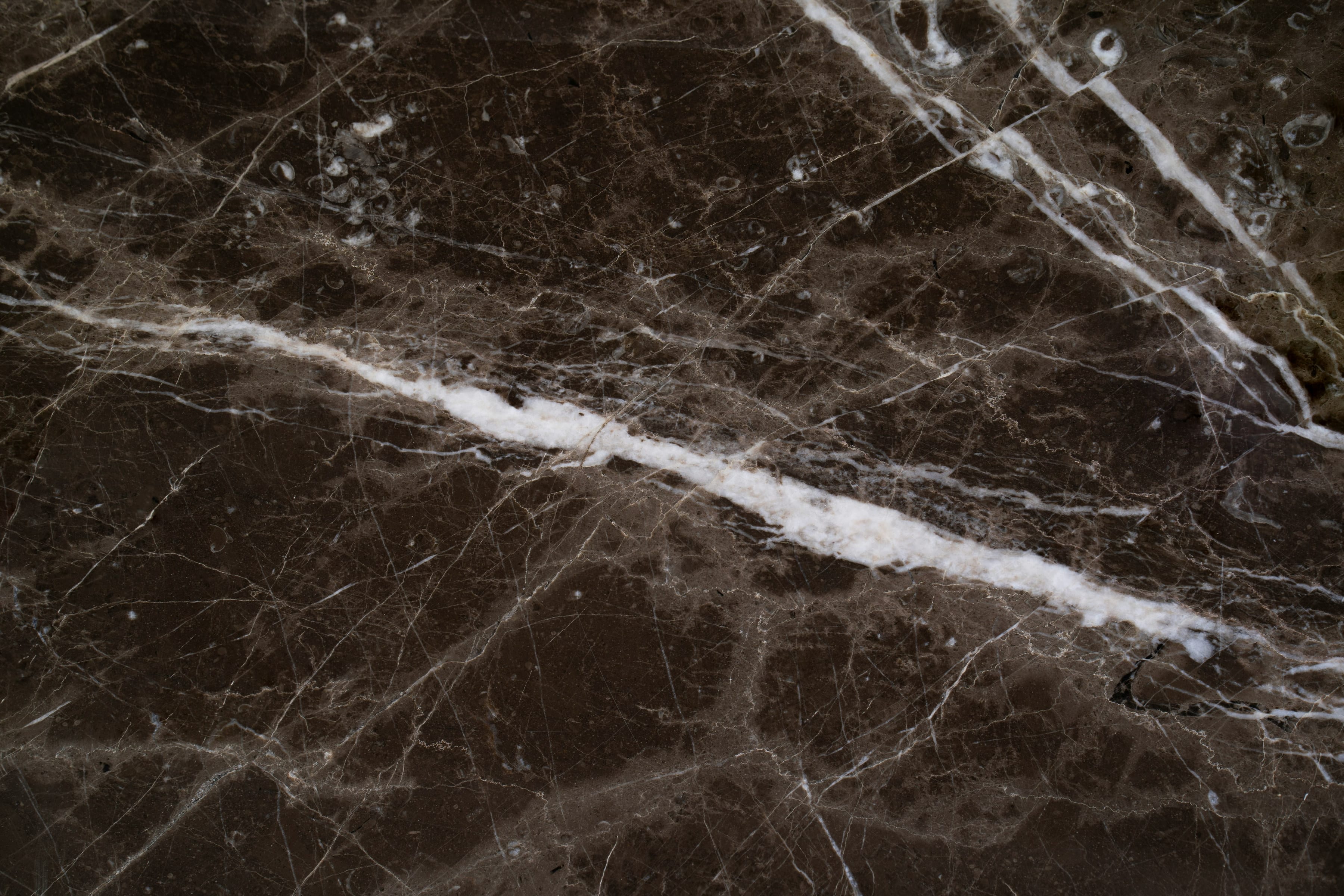
Dark brown surface in a marble look, with a bold white vein

Dark veined quartz

Quartz

A deep brown and black ground with a bold white vein, in quartz. Dramatic on a splashback or an island.
  • Walnut
  • Brass
  • Matt lacquer
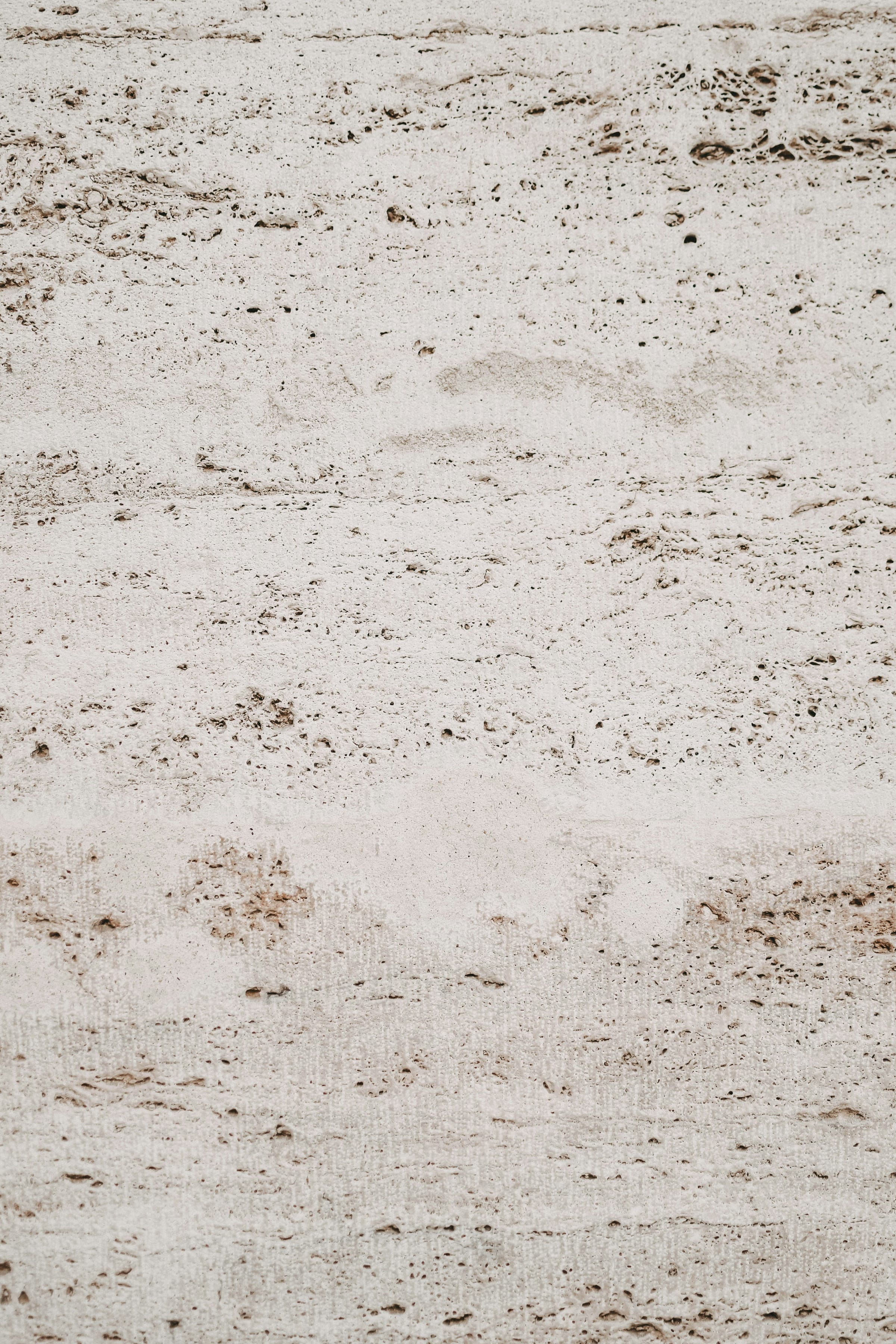
Pale surface in a travertine look, with soft brown pitting and a warm beige tone

Travertine look porcelain

Porcelain

Warm sand tones with a soft, fossil-like pattern, in sintered porcelain. The surface is matt and smooth under the hand.
  • Matt black
  • Linen
  • Walnut
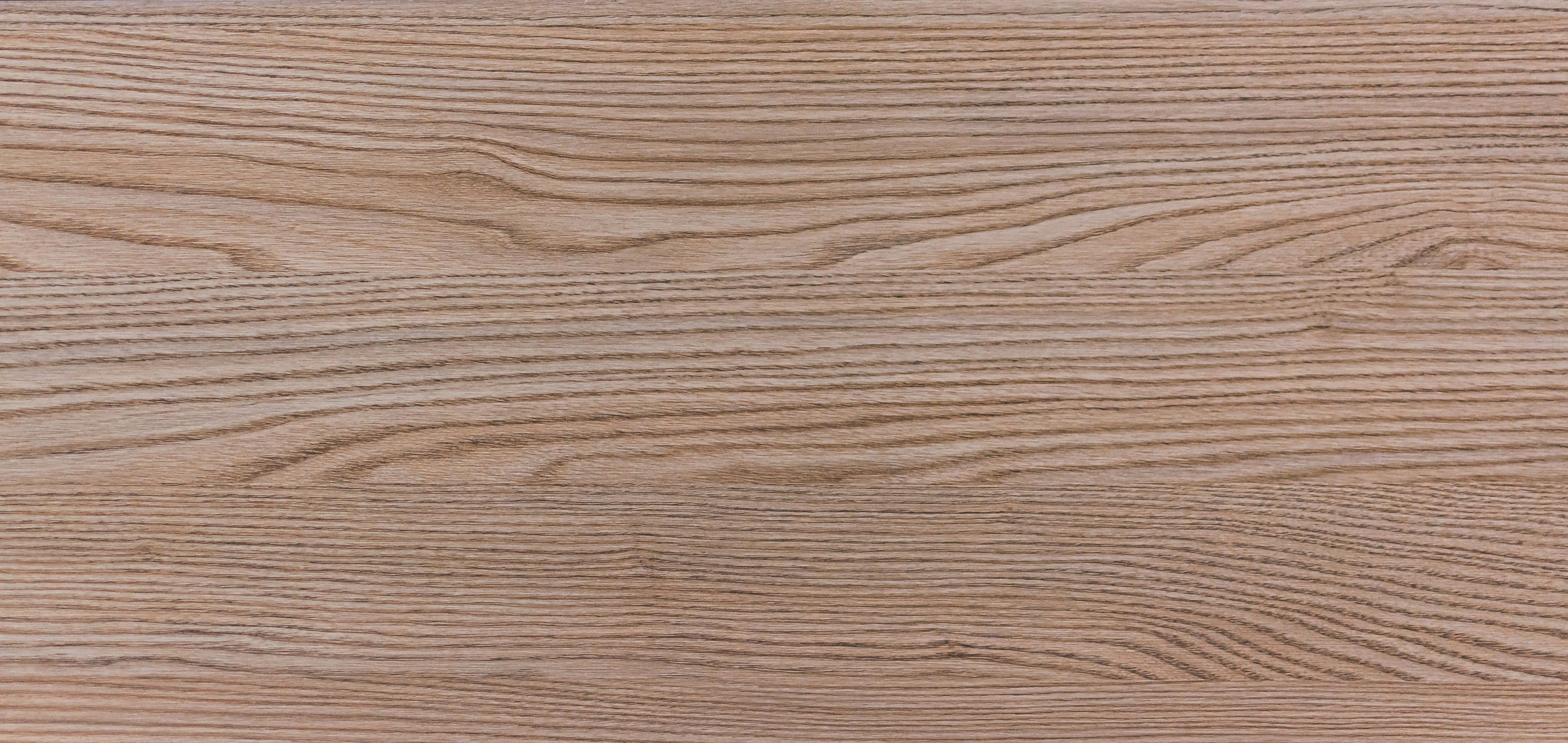
Light oak veneer close-up with fine horizontal wood grain

Oak veneer

Timber

Open-grained and oiled, kind to fingerprints. Pale for lightness, smoked for depth.
  • Veined porcelain
  • Brass
  • Reeded glass
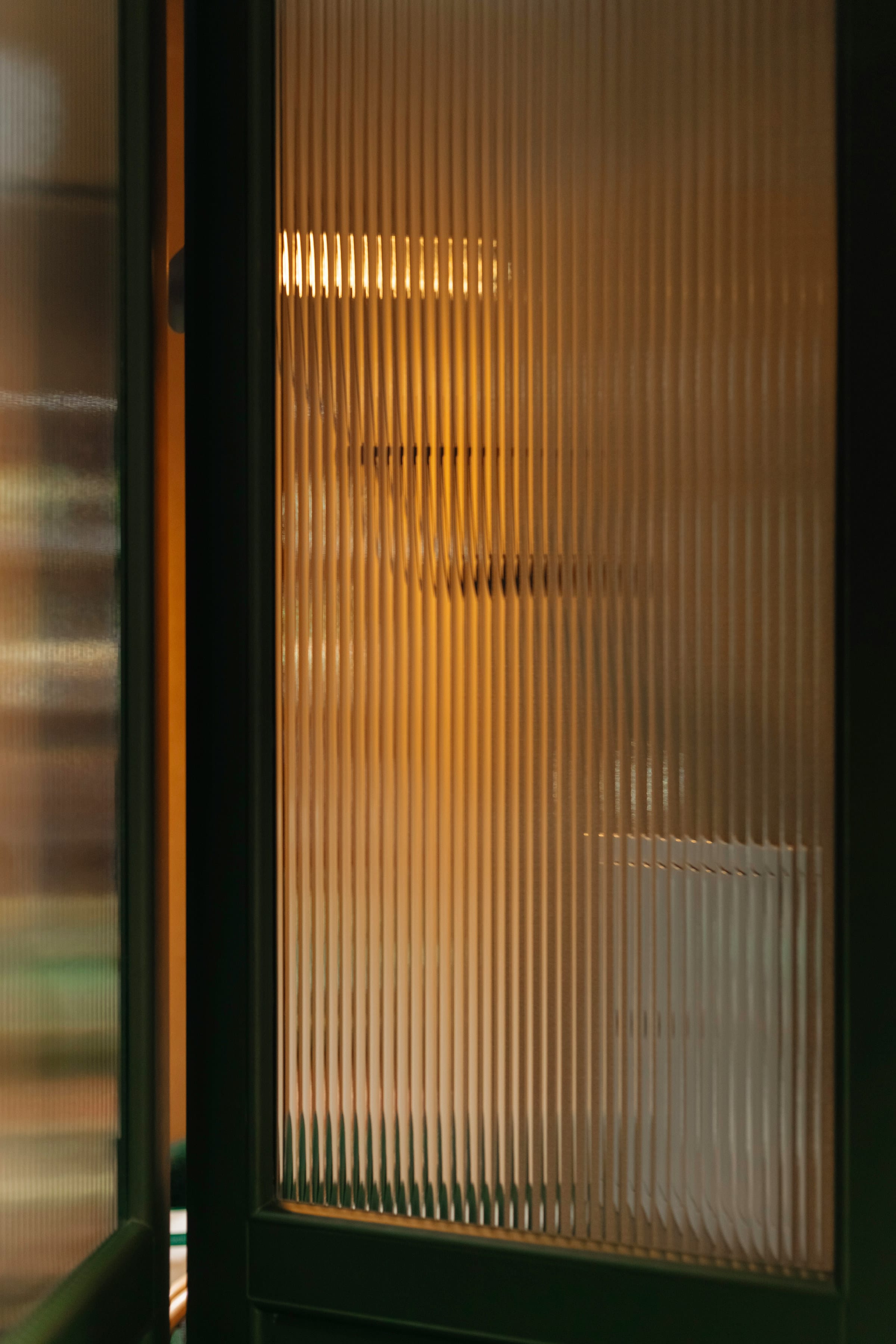
Amber fluted glass cabinet door with warm light behind

Reeded glass

Glass

Fluted glass for display cabinets. Softens what is behind and catches the light.
  • Oak
  • Dark lacquer
  • Brass
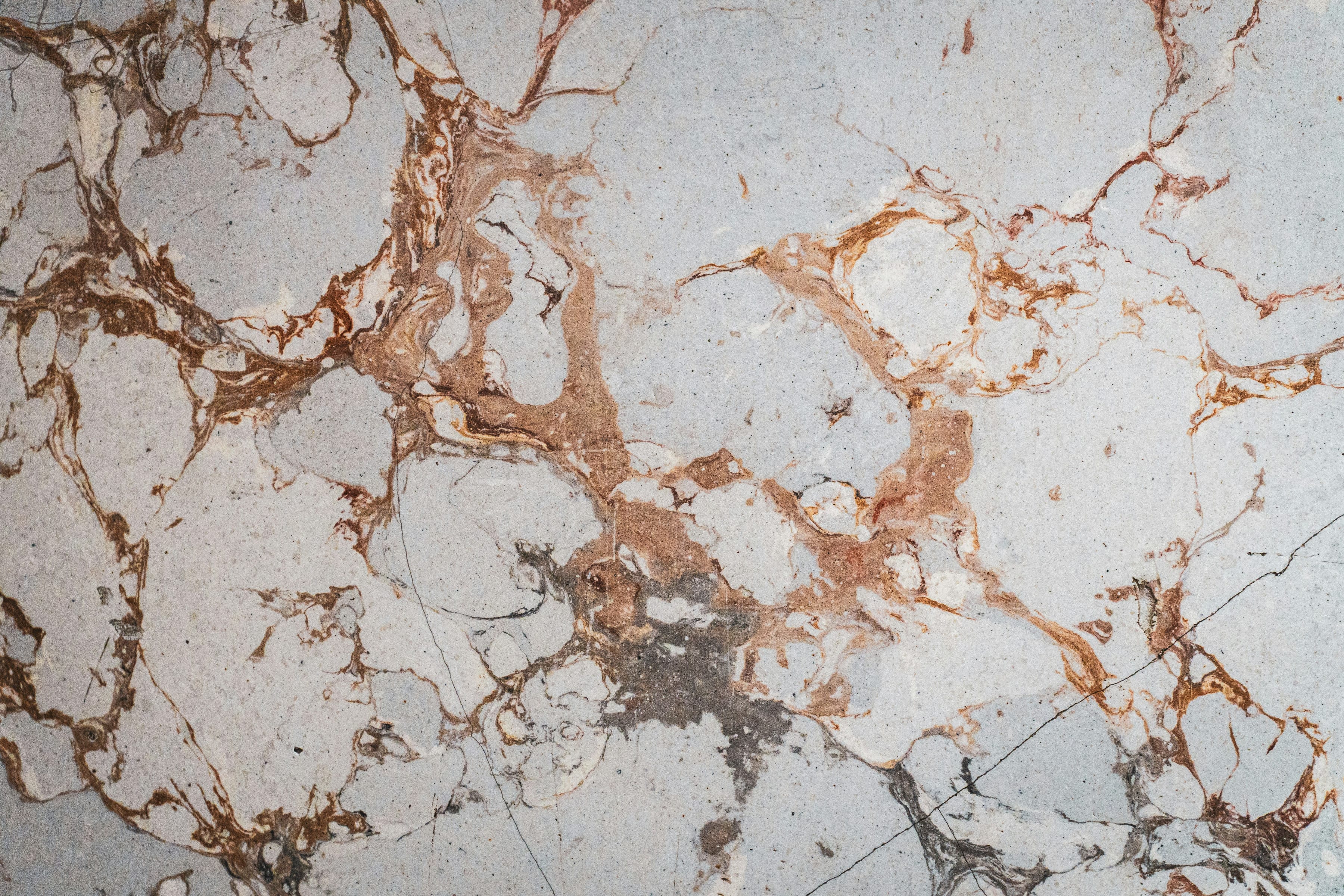
White surface in a marble look, with brown and grey veins

Copper veined quartz

Quartz

Warm veining in copper and grey on a pale ground, in quartz. Used sparingly, as a feature.

  • Sand porcelain
  • Brass
  • Cream

Material guide

Seven materials, in plain words.

What each one is like, where it works best and how to look after it. General guidance: the maker’s instructions for your own finish always come first.

Light oak veneer close-up with fine horizontal wood grain

01 · Timber

Oak

Character
Open-grained, warm and quietly varied. Oak takes oil well, hides small marks in its grain and deepens gently towards honey with light and time. It sits comfortably beside pale surfaces, plaster and brass.
Best used for
Cabinet fronts, drawer interiors, open shelves, oiled worktops and panelling. Veneered oak on a stable board suits large doors and tall units. Solid oak suits edges, shelves and worktops.
Care
Wipe with a soft, slightly damp cloth and dry. Keep standing water away from sinks and dishwashers. Refresh the oil from time to time on worktops, and sand light scratches along the grain.
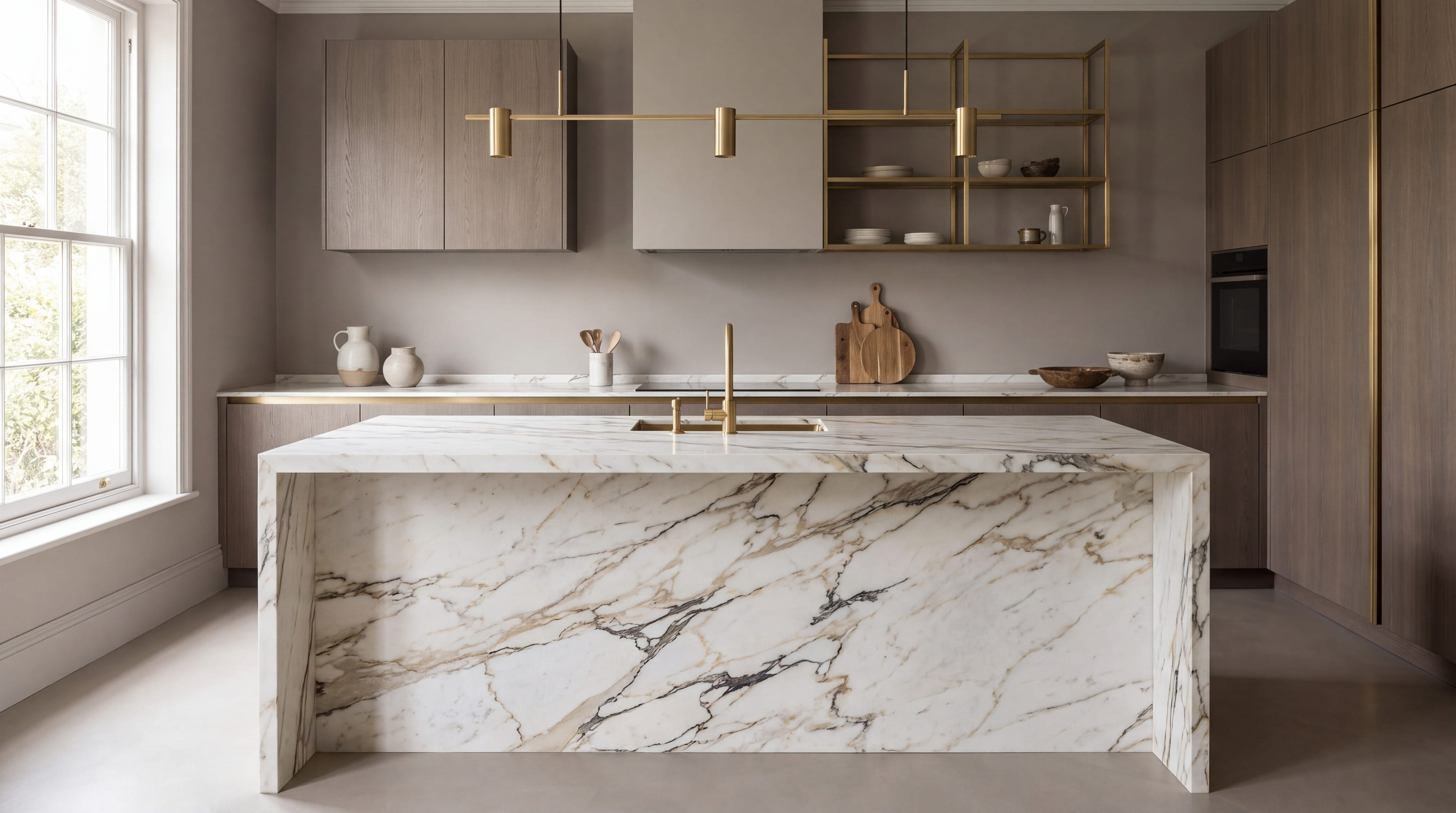
Walnut-clad tall wall and white island kitchen with row of bar stools

02 · Timber

Walnut

Character
Darker, richer and more formal, with a grain that moves like water. Walnut gives a room weight and depth, and looks best against pale surfaces and soft light.
Best used for
Tall units, feature walls, islands, niches and shelves, where its depth can be read against calmer surfaces.
Care
Keep it out of long, direct sun, which lightens it slowly. Wipe spills quickly and dust often, because dark timber shows fine dust. Oil lightly if the finish is oiled.
Pale surface in a travertine look, with soft brown pitting and a warm beige tone

03 · Porcelain

Sintered porcelain

Character
A dense, fine-grained ceramic slab, made in looks that follow marble, limestone and travertine, in matt and satin finishes. It reads as one calm, even surface, with the veining and tone of the look you choose.
Best used for
Islands, worktops, splashbacks and full-height back walls, where one long surface carries the room. Large slabs mean fewer joints.
Care
Wipe with a soft cloth, warm water and a mild soap, then dry to avoid streaks. Use boards and trivets, and keep abrasive pads and harsh cleaners away from matt finishes. The maker's instructions for your slab come first.
Close-up of a white surface in a marble look, with diagonal grey veining

04 · Quartz

Quartz

Character
Engineered quartz is made from crushed quartz bound with resin. It comes in plain colours and in veined looks that follow marble and stone, and it is consistent from slab to slab, which suits clean, modern rooms.
Best used for
Worktops, islands and splashbacks in busy family kitchens, where a consistent surface that is easy to keep clean matters most.
Care
Wipe with a soft cloth and a mild soap, then dry. Use a trivet under hot pans, because the resin can be damaged by high heat, and keep solvents and abrasive pads away. The maker's instructions come first.
Charcoal matt kitchen with a lit oak niche above the worktop and a matching island, with no handles on the doors

05 · Painted finish

Lacquer

Character
A sprayed, painted finish in matt, satin or gloss, in almost any colour. It is smooth and even, and gives large flat fronts a calm, uniform surface. Gloss shows fingerprints, matt feels soft.
Best used for
Handleless fronts, tall units, wardrobes and deep colours that timber cannot give, such as charcoal, forest green or chalk.
Care
Use a soft cloth with warm water and mild soap. Avoid abrasive pads and solvents. Keep edges away from standing water. A damaged panel can often be re-sprayed.
Amber fluted glass cabinet door with warm light behind

06 · Glass

Glass

Character
Clear, tinted, reeded or fluted. Reeded glass softens what lies behind it and catches the light, and smoked or amber tints add warmth. It hides fingerprints better than a smooth pane.
Best used for
Display cabinets, sliding doors, splashbacks and lit niches.
Care
Clean with water and a drop of mild soap, or a glass cleaner, and a lint-free cloth. Brush the ribs gently to lift dust. In hard-water areas, wipe dry to avoid limescale spots.
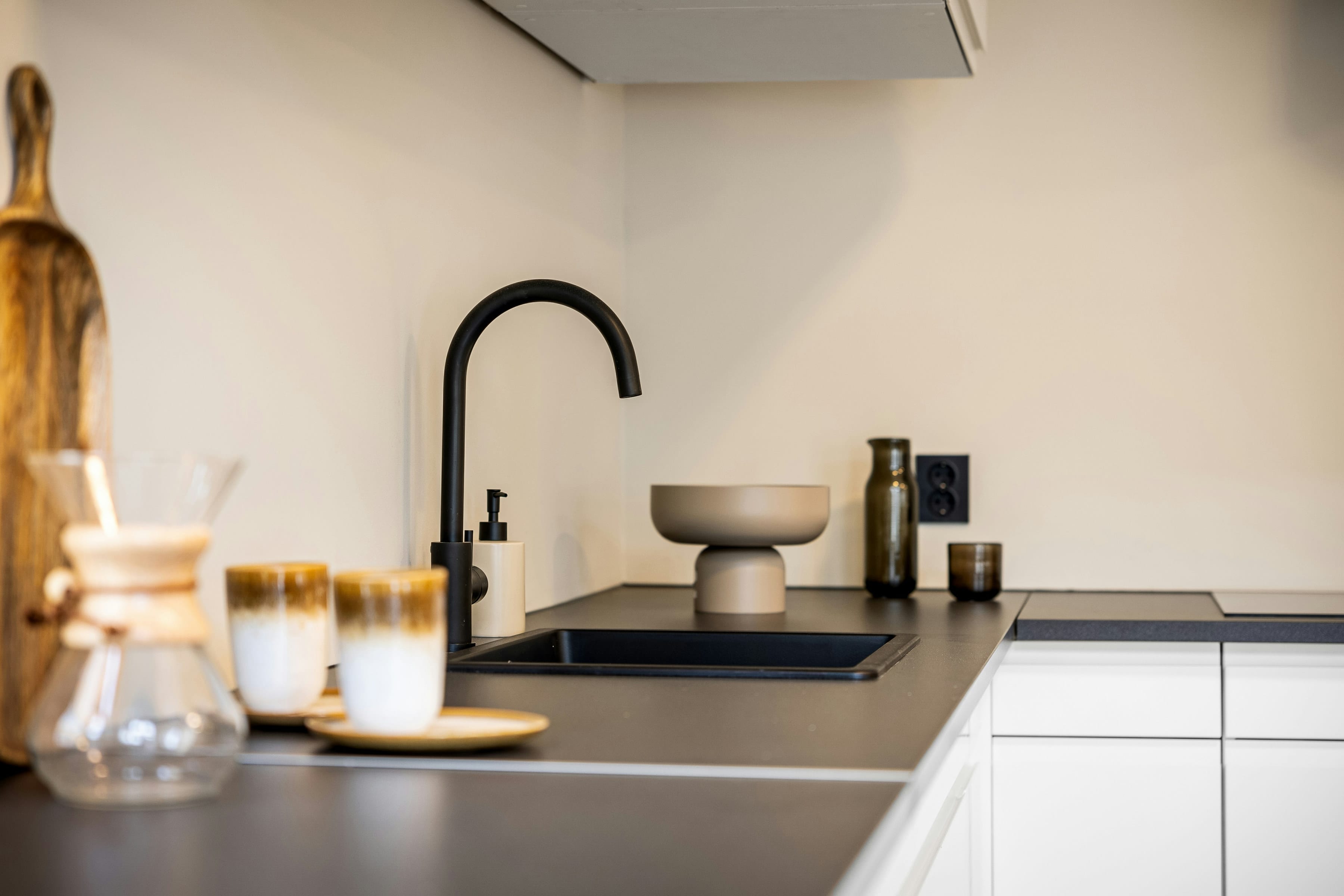
Black swan neck tap and black sink on a dark worktop, ceramic cups in soft foreground

07 · Metal

Metal

Character
Brass, bronze, steel and aluminium sharpen a design. Brass and bronze darken to a soft patina, steel stays cool and precise, and powder-coated finishes are the most stable.
Best used for
Fine details: grip profiles, shelf edges, glass frames, niches, taps and handles.
Care
Clean with a soft cloth and mild soap and dry afterwards. Polish brass if you want it bright, or let the patina develop. Avoid abrasives on brushed finishes and acidic cleaners on any metal.

Care guide

Looking after what you choose.

A few habits do more than any product. Wipe spills early, dry what is wet, use boards and trivets, and test samples at home before you decide. For porcelain, quartz and oak in more detail, read the care article.

Everyday care, what to avoid and occasional care for each material
MaterialEvery dayAvoidNow and then
OakSoft, slightly damp cloth, then dryStanding water, steam from the dishwasher, hot pans on oiled timberRefresh the oil on worktops, sand light scratches with the grain
WalnutDust, then a soft damp clothLong direct sun, standing waterLight oiling if the finish is oiled
PorcelainSoft cloth, mild soap, rinse and dryAbrasive pads, harsh cleaners on matt finishes, a hard knock on an edgeFollow the maker's advice for deeper cleaning
QuartzSoft cloth, mild soap, rinse and dryHot pans straight from the hob, solvents, abrasive padsFollow the maker's advice for deeper cleaning
LacquerSoft cloth, warm water, mild soapSolvents, abrasive pads, standing water at the edgesTouch up or re-spray a damaged panel
GlassWater with a drop of soap, lint-free clothAbrasive pads, leaving hard water to dry on the surfaceBrush the ribs of fluted glass to lift dust
MetalSoft cloth, mild soap, dryAbrasives on brushed finishes, acidic cleanersPolish brass if you want it bright, or leave the patina

See them in your light.

We bring physical samples to your home so you can judge each material where it will live.

Request samples